Why has the Venice Carnival enchanted the world for over a thousand years?



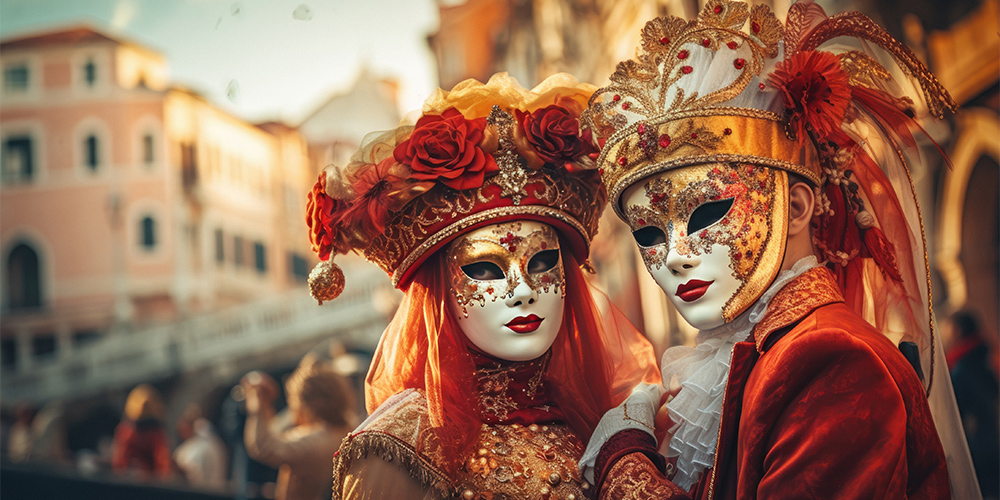
The Venice Carnival is one of Italy’s oldest and most fascinating cultural events, known worldwide for its elegance, mystery, and rich history. In 2026, the celebration takes place on February 17, attracting thousands of visitors who wander through the city’s streets and canals in search of a unique experience. Far beyond a popular festivity, the event represents centuries of tradition, art, and symbolism that have transformed Venice into a true open-air stage.
Its origins date back to the 11th century, when the city celebrated, before Lent, a period of freedom and festivity. At that time, masks played a crucial role: they erased social differences and allowed nobles and commoners to mingle without distinction. The anonymity they provided created an atmosphere where social criticism and cultural expression could flourish freely.
Over the centuries, Venetian masks evolved from simple festive accessories into symbols of freedom and artistic expression. The refined aesthetics, luxurious details, and elaborate costumes have established the event as one of the most sophisticated celebrations in the world. Each mask carries history and identity.
Today, the Venice Carnival is recognized as a cultural heritage event and continues to captivate new generations. More than a festival, it is a living tradition that unites art, history, and freedom in a setting that feels like stepping into a timeless tale.
Authored by Patrimônio Italiano by WMB Digital Marketing
Did you like this content? Follow our portal or our Instagram profile and stay up to date!